
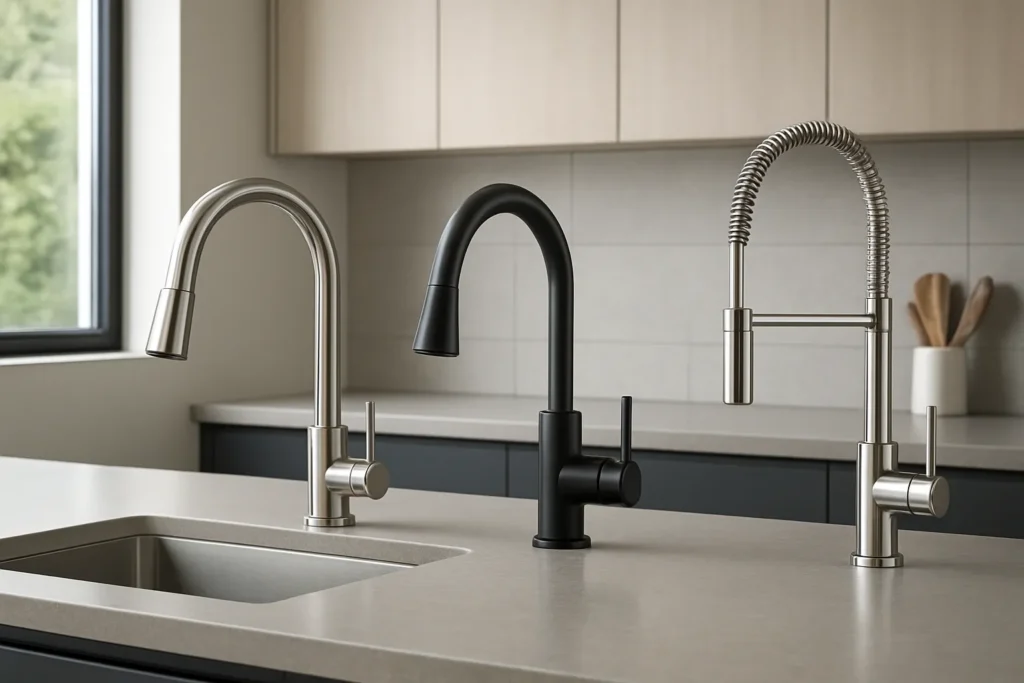
Introduction to Modern Kitchen Mixers
In today’s kitchen design landscape, modern kitchen mixers have become vital appliances that not only boost functionality but also enhance the visual appeal of cooking spaces. These versatile devices are engineered to simplify food preparation, making them essential for both home and professional kitchens. Their significance in kitchen aesthetics and utility is profound; they act as central features that merge practicality with style, fostering a seamless cooking experience.
Key Specifications of Modern Kitchen Mixers
When it comes to selecting a modern kitchen mixer, several critical specifications must be taken into account to guarantee optimal performance and durability.
Material Quality and Durability
The lifespan of a kitchen mixer is largely dictated by the materials used in its construction. High-grade stainless steel and robust plastics are popular choices, offering resistance to corrosion and wear. A durable mixer not only endures daily use but also retains its visual appeal over time, making it a smart investment for any kitchen.
Power and Performance Ratings
The power of a kitchen mixer is generally expressed in watts, with higher wattage indicating superior efficiency and performance capabilities. A powerful mixer can tackle a range of tasks, from mixing dough to whipping cream, ensuring it meets the demands of various culinary challenges. Performance ratings, often based on user feedback and expert reviews, can provide insights into the mixer’s reliability and effectiveness. In my experience, a good mixer should be powerful enough to handle your most demanding recipes without faltering.
Size and Compatibility with Kitchen Spaces
Modern kitchen mixers come in an array of sizes, making it essential to select one that fits comfortably within the designated kitchen area. Compact models are ideal for smaller kitchens, while larger mixers may be necessary for commercial settings. Ensuring that the mixer aligns with existing kitchen fixtures, such as kitchen faucets, is also vital for maintaining a cohesive design.
Use Cases for Modern Kitchen Mixers
Modern kitchen mixers are adaptable appliances that cater to a wide variety of applications, from home cooking to professional culinary environments.
Residential vs. Commercial Applications
In residential settings, kitchen mixers are frequently utilized for everyday tasks like baking and meal preparation. They make processes more manageable, enabling home cooks to explore new recipes effortlessly. Conversely, commercial kitchens require mixers capable of handling larger volumes and more rigorous tasks, such as mixing extensive batches of dough or sauces, underscoring the need for robust and powerful models.
Versatility in Food Preparation
Modern kitchen mixers extend beyond mere mixing; they can be outfitted with various attachments that allow for chopping, slicing, and even juicing. This versatility makes them invaluable tools for chefs and home cooks alike, facilitating a wide array of food preparation tasks to be completed efficiently and effectively.
Integration with Other Kitchen Fixtures
A well-designed kitchen mixer can seamlessly integrate with other kitchen fixtures, such as kitchen faucets, to enhance functionality. For instance, some mixers come with built-in sprayers or faucets that enable easy rinsing and cleaning, streamlining the cooking process. I believe that such integrations can significantly improve the cooking workflow in busy kitchens.
Comparison of Popular Modern Kitchen Mixer Brands
When evaluating modern kitchen mixers, it’s crucial to compare various brands to identify the best fit for your requirements.
Brand A vs. Brand B Features
Brand A might provide higher wattage and a broader range of attachments compared to Brand B, appealing to those seeking versatility and power. However, Brand B could shine in design and user-friendliness, making it a favored option for home kitchens. Assessing the specific features of each brand can guide buyers toward informed choices.
Price Point Analysis
Pricing often plays a pivotal role in purchasing decisions. While pricier mixers typically offer advanced features and greater durability, budget-friendly options can still deliver satisfactory performance for home cooks. Analyzing the price points of various brands allows B2B buyers to align their selections with their budgetary constraints and performance expectations.
Customer Reviews and Ratings
Customer reviews and ratings provide invaluable insights into the real-world performance of kitchen mixers. High ratings and positive feedback often indicate a reliable product, while recurring complaints may highlight potential issues. B2B buyers should carefully consider these reviews when evaluating their options to avoid costly mistakes.
Sourcing Modern Kitchen Mixers for B2B Buyers
For businesses aiming to invest in modern kitchen mixers, sourcing from dependable suppliers is critical.
Identifying Reliable Suppliers
Conducting thorough research to identify reputable suppliers can ensure that businesses receive quality products. Look for suppliers with a proven track record and favorable customer feedback to mitigate risks associated with purchasing.
Bulk Purchasing Options
Many suppliers offer bulk purchasing opportunities, which can yield substantial cost savings for businesses. By purchasing in larger quantities, B2B buyers can take advantage of discounts, making it a financially savvy decision.
Evaluating Warranty and Support Services
A solid warranty and reliable support services are essential when sourcing kitchen mixers. B2B buyers should inquire about warranty terms and the availability of customer support to ensure they can address any potential issues promptly. From what I have seen, a good warranty can save a business a lot of trouble down the line.
Implementation Considerations
Once kitchen mixers have been sourced, several implementation considerations must be addressed.
Installation Requirements
Proper installation is crucial for the optimal performance of kitchen mixers. Buyers should ensure that installation is conducted by qualified professionals to avoid any operational issues.
Maintenance Tips for Longevity
Regular maintenance is key to extending the life of kitchen mixers. This includes cleaning, checking for wear and tear, and ensuring that all components are functioning correctly. Adhering to manufacturer guidelines can help maintain performance and durability.
Training Staff on Usage
In commercial settings, training staff on the correct use of kitchen mixers is essential. This not only enhances safety but also ensures that the mixers are used effectively, maximizing their potential in food preparation.
Frequently Asked Questions
Common Concerns About Modern Kitchen Mixers
Common concerns often relate to noise levels, power consumption, and ease of use. Addressing these issues can help potential buyers make informed decisions.
Troubleshooting Issues
Understanding common troubleshooting techniques can empower users to resolve minor issues independently, reducing downtime and maintaining efficiency in the kitchen.
Best Practices for Usage
Implementing best practices for using modern kitchen mixers can enhance performance and longevity. This includes adhering to recommended usage guidelines and regularly inspecting the appliance for maintenance needs.
Conclusion
Modern kitchen mixers are invaluable assets that enhance both functionality and style in culinary environments. By grasping their specifications, use cases, and sourcing options, B2B buyers can make informed decisions that align with their operational needs. As the culinary landscape continues to evolve, investing in quality kitchen mixers will undoubtedly yield benefits in efficiency and design. For more comprehensive information, feel free to consult this industry reference or explore this technical reference.