
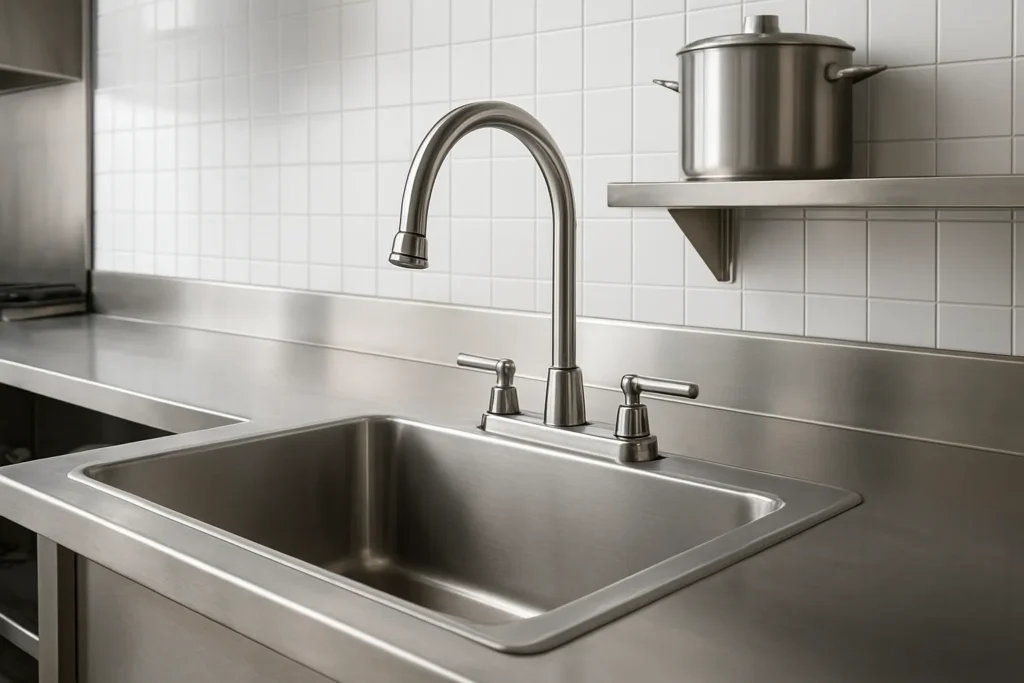
The Benefits of Corrosion Resistant Faucets in Commercial Kitchens
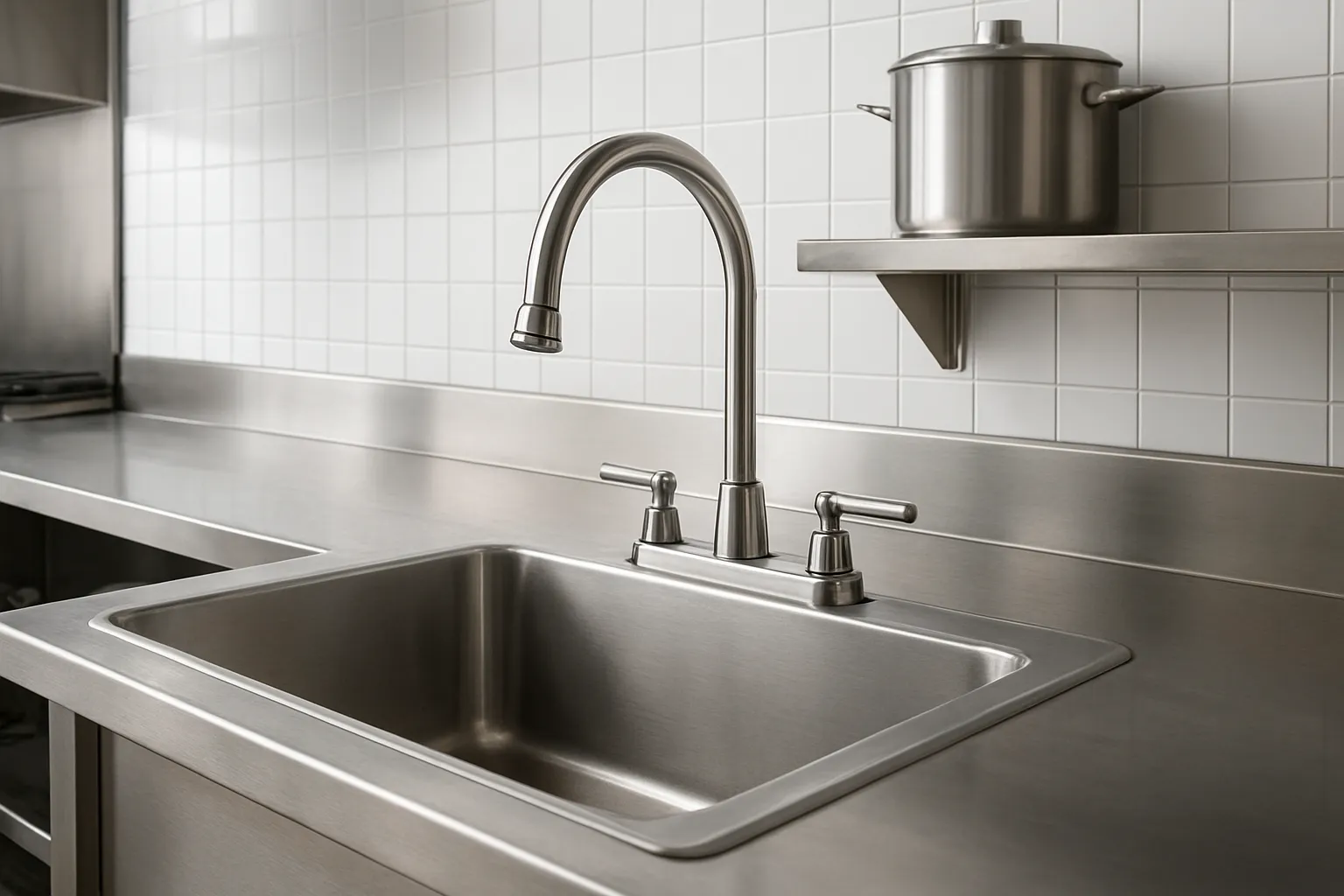
Corrosion resistant faucets serve as vital fixtures in the bustling environment of commercial kitchens. These faucets are specifically designed to withstand the harmful effects of moisture, heat, and various chemicals, playing a crucial role in maintaining hygiene and functionality in kitchen operations. In my experience, when it comes to commercial settings where efficiency and cleanliness are paramount, the importance of high-quality kitchen faucets cannot be overstated. Not only do they enhance the longevity of plumbing fixtures, but they also contribute significantly to the overall performance of kitchen operations.
Key Specifications of Corrosion Resistant Faucets
When selecting corrosion resistant faucets for commercial kitchens, there are several key specifications to consider:
- Material Composition: The most common materials used for corrosion resistant faucets include stainless steel, brass, and specialized plastics. Stainless steel, particularly grades 304 and 316, is favored for its exceptional resistance to rust and corrosion, making it ideal for environments exposed to water and cleaning chemicals.
- Durability Ratings: Durability ratings are critical in determining the lifespan of kitchen faucets. Corrosion resistant faucets often come with ratings indicating their ability to endure high temperatures and pressures, which is essential for commercial kitchen operations where hot water and high usage are the norms.
- Maintenance Requirements: While these faucets are designed to withstand harsh conditions, they still require regular maintenance to ensure optimal performance. This includes periodic cleaning and inspections to prevent the accumulation of food particles and mineral deposits.
Use Cases in Commercial Kitchens
Corrosion resistant faucets are widely used in various commercial kitchen settings:
- High-Volume Restaurants: In busy restaurants, where kitchens operate at peak capacity, the durability of faucets is crucial. These faucets can endure continuous use without deteriorating, ensuring that the kitchen remains functional during rush hours.
- Food Processing Facilities: In food processing, maintaining cleanliness and hygiene is non-negotiable. Corrosion resistant faucets help uphold sanitary conditions, as they are less likely to harbor bacteria and are easier to clean. For more detailed information on the benefits of corrosion resistance, refer to this industry reference.
- Institutional Kitchens: Schools, hospitals, and other institutions require dependable and durable kitchen fixtures. Corrosion resistant faucets meet these demands, providing long-term solutions that minimize the need for frequent replacements.
Comparing Corrosion Resistant Faucets to Standard Faucets
When evaluating corrosion resistant faucets against standard faucets, several factors should be considered:
- Cost Analysis: Although the initial investment in corrosion resistant faucets may be higher, the long-term savings from reduced maintenance and replacement costs make them a financially sound choice. The durability of these faucets translates to fewer disruptions in kitchen operations.
- Longevity and Performance: Corrosion resistant faucets typically outperform standard faucets in terms of longevity. They are designed to resist the wear and tear associated with constant use and exposure to harsh substances, ensuring consistent performance over time.
- Warranty and Support: Many manufacturers of corrosion resistant faucets provide robust warranties that reflect their confidence in their products. This warranty often includes support for installation and maintenance, giving peace of mind to kitchen managers.
Sourcing Corrosion Resistant Faucets
Finding the right corrosion resistant faucets involves careful sourcing:
- Trusted Manufacturers: Partnering with reputable manufacturers is vital. Look for brands known for their quality and innovation in kitchen fixtures, such as Taizhou Fuyue Industry and Trade Co., Ltd.
- Certification and Standards: Ensure that the faucets meet industry standards and certifications, such as NSF or ANSI. These certifications indicate that the products have been tested for safety and performance.
- Supplier Evaluation Criteria: When evaluating suppliers, consider their history, customer service, and the range of products offered. A supplier that provides comprehensive support can be a valuable partner in maintaining kitchen operations.
Implementation Considerations
Successfully implementing corrosion resistant faucets requires careful planning:
- Installation Process: Professional installation is recommended to ensure that faucets are fitted correctly. This helps avoid leaks and ensures optimal performance.
- Integration with Existing Systems: Consider how new faucets will integrate with existing plumbing systems. Compatibility is crucial for maintaining operational efficiency.
- Training Staff on Usage: Proper training for kitchen staff on the use and maintenance of these faucets is essential. Educating staff on best practices can extend the life of the faucets and ensure they are used effectively.
Frequently Asked Questions
- What are the benefits of corrosion resistance? Corrosion resistance prolongs the life of kitchen faucets, reduces maintenance costs, and enhances hygiene by preventing rust and bacterial growth.
- How do I choose the right faucet for my kitchen? Consider factors such as material composition, durability ratings, maintenance needs, and compatibility with existing systems when selecting kitchen faucets.
- What maintenance is required for these faucets? Regular cleaning and periodic inspections are necessary to ensure that corrosion resistant faucets continue to operate effectively and maintain their appearance.
Conclusion
Investing in corrosion resistant faucets for commercial kitchens is a strategic decision that yields significant benefits over time. With their durability, low maintenance requirements, and hygiene advantages, these faucets stand out as essential components in any professional kitchen. By understanding the specifications, use cases, and sourcing considerations, kitchen managers can make informed decisions that enhance operational efficiency and ensure a clean, functional kitchen environment.